Why a Simple Google Game Is Quietly Changing How People Use Search
Google Block Breaker is not something people usually plan to find. It appears quietly, without banners or alerts, and that alone makes it interesting. Many users come across it while doing something ordinary, which makes the moment feel unexpected and personal. There is a sense of pause when it shows up, like the internet briefly slows down. That pause is rare today. People notice it because it does not demand attention. It simply invites it.
This guide exists because curiosity keeps growing. People want to know what Google Block Breaker actually is and why it feels different from other online games. This article explains what the game does, why it exists, and why it suddenly feels relevant. It also explores how small interactive tools fit into modern browsing habits. Readers benefit by gaining clarity instead of vague explanations. By the end, the topic feels simple rather than mysterious.
This guide covers what the game is, how it works, why it spreads so fast, and what it says about online behavior. It avoids hype and focuses on understanding. That approach helps readers decide if it is worth their time. It also explains why moments like this matter in daily digital life.
Key takeaways from this guide include:
- Clear explanation of what the game is
- Reasons behind its sudden popularity
- Safety and usage expectations
- Cultural impact of small online games
What Is Google Block Breaker and How Does It Actually Work
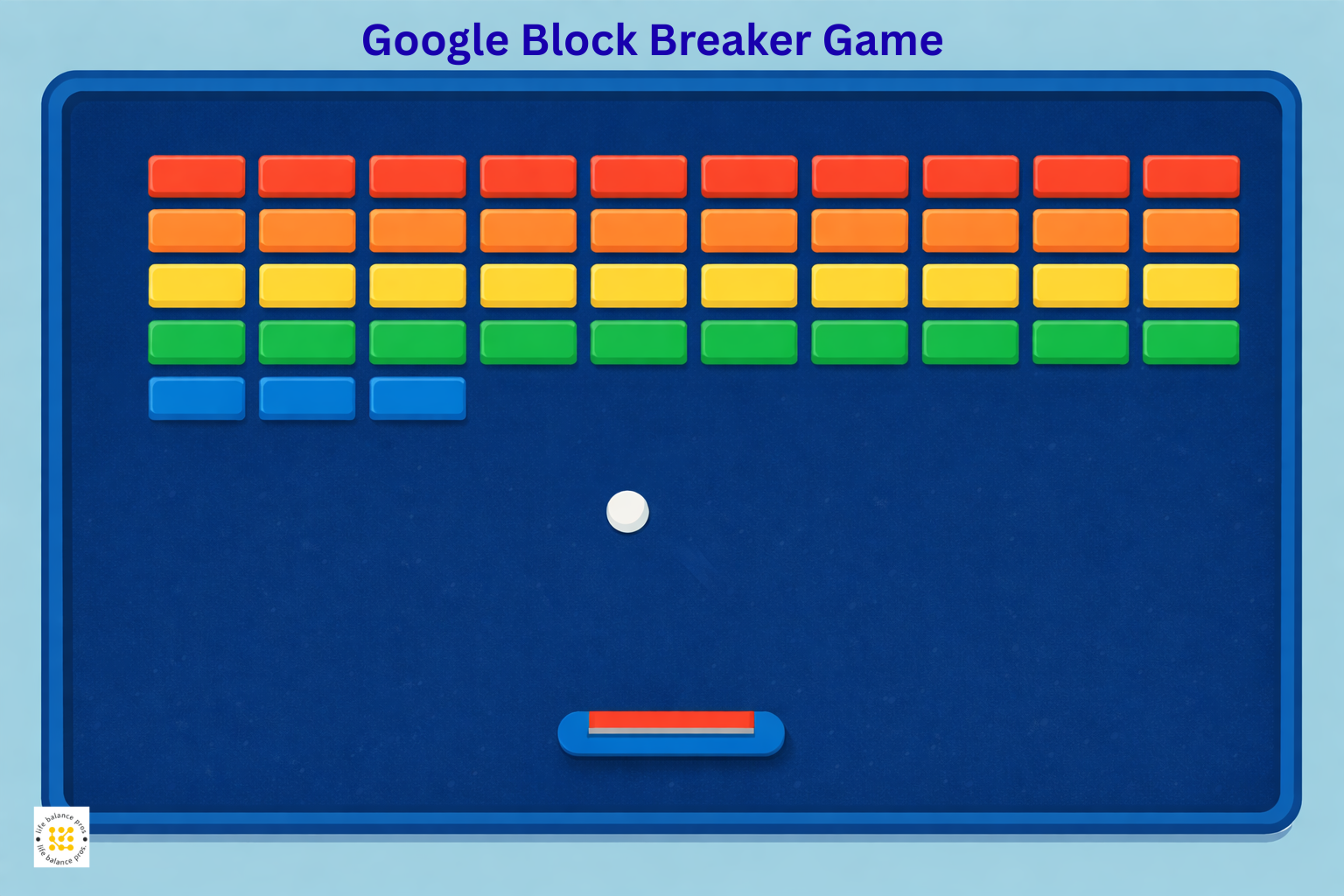
Google Block Breaker is a browser-based mini game that runs inside Google search. It follows a simple structure where a moving ball breaks blocks placed at the top of the screen. The player controls a bar that keeps the ball in play. Each hit removes a block and adds to the score. The rules are easy to understand within seconds.
The game does not overwhelm new players. There are no tutorials filled with text. No learning curve scares people away. That simplicity allows users of any age to understand what is happening. The clean layout helps focus stay on the action. Every movement feels direct and responsive.
Another common question is whether the game is official. It is part of Google’s interactive search features. It does not require extra permissions. It runs safely within the browser. That trust factor plays a significant role in why people feel comfortable trying it.
Core features players notice include:
- Simple controls using taps or clicks
- Clear visual feedback for each action
- Smooth performance across devices
- Instant restart after losing
The game respects time and attention. That design choice keeps it enjoyable rather than tiring.
How Do People Find Google Block Breaker Without Searching for It
Most players never type the name Google Block Breaker on purpose. Discovery usually happens by chance. Someone clicks an interactive result. Another notices a playful element during a search. That surprise creates curiosity. Curiosity leads to engagement.
This accidental discovery feels more personal than ads. It creates a sense of finding something hidden. That emotional response increases interest. People enjoy sharing discoveries that feel special. Screenshots and quick mentions spread naturally.
The lack of friction also matters. No downloads slow the process. No sign-up interrupts curiosity. The game simply appears and works. That smooth experience lowers resistance and increases participation.
Common ways people discover it include:
- Exploring interactive Google features
- Following online conversations
- Clicking suggested playful results
- Hearing about it through casual sharing
This organic spread builds trust and keeps interest steady.
Why Google Block Breaker Feels Addictive Right Now
Timing plays a significant role in popularity. Attention spans are shorter than ever. People want quick breaks that do not drain energy. Google block breaker fits those who need it ideally. It offers instant engagement without commitment.
The game uses repetition in a calming way. Each bounce feels familiar. Each block broken feels rewarding. The brain enjoys predictable patterns with slight variations. That loop keeps players focused without stress.
This behavior lines up with broader US internet usage trends. According to the Digital 2025 United States report published by DataReportal, more than 90 percent of Americans use the internet regularly, with average daily online time exceeding seven hours. Short interactive experiences perform well because they fit naturally into these frequent but fragmented online sessions. That context helps explain why simple search-based games gain attention so quickly.
Short sessions also help. A round ends quickly. Starting again takes seconds. That structure encourages repeated play without pressure. It feels safe to stop anytime.
Reasons the game holds attention include:
- Fast start with no setup time
- Clear goals that reset easily
- Calm visuals that reduce strain
- Simple challenge that stays engaging
These elements combine to create a gentle habit rather than an obsession.
Is Google Block Breaker Just a Game or Something Bigger
At the surface level, it looks like a simple pastime. Underneath, it reflects how platforms think about user experience. Small playful moments build emotional connection. They make tools feel human rather than mechanical.
Interactive features help users stay longer without feeling trapped. That balance is essential. People return because the experience feels pleasant. Trust grows when platforms offer value without pressure.
For Google, this aligns with broader design choices. Search results now include calculators, games, and interactive tools. The goal is to meet users where they are. Play becomes part of that approach.
This trend highlights:
- Search as an experience, not just results
- Emotional engagement through simplicity
- Trust built through respectful design
Understanding this context explains why such a small game matters.
Is Google Block Breaker Safe, Free, and Worth Your Time
Safety is one of the most common concerns. Google block breaker runs inside Google search, which limits risk. There are no downloads involved. No access requests appear. That makes the experience feel secure.
This reassurance matters because internet users remain cautious. Data from the Pew Research Center Internet and Broadband Fact Sheet shows that a majority of US adults worry about how their data is used online and prefer tools that require no personal information. Games that run directly in the browser without sign-ups naturally feel safer and more approachable.
The game does not ask for personal details. It does not track progress across sessions in a visible way. That reduces privacy worries. Players remain anonymous and in control.
Time value is also essential. The game respects it. There are no reminders pulling players back. Each session ends naturally. That makes it easy to enjoy without guilt.
What players can expect:
- No payment requests
- No hidden permissions
- No forced engagement loops
- Easy exit at any time
That balance makes it a low-risk way to unwind.
What Google Block Breaker Says About Digital Habits Today
Short interactive moments are becoming more common. People want control over attention. Tools that offer quick satisfaction without overload are winning. Google block breaker reflects that shift clearly.
The rise of micro entertainment shows how habits change. Long sessions feel heavy. Short bursts feel manageable. Platforms respond by offering lighter experiences.
Search behavior adapts alongside these changes. Users expect more than text. They want interaction when it feels natural. That expectation shapes future features.
This trend reveals:
- Preference for low effort engagement
- Value placed on calm design
- The growing role of interaction in search
Understanding this helps explain why the game resonates.
Where Curiosity Leads Next and Why That Matters
After discovering Google Block Breaker, many users explore similar features. Curiosity expands naturally. Play lowers barriers to exploration. Its search feels less rigid.
This curiosity benefits users and platforms. Users feel rewarded for exploring. Platforms learn what holds attention without force. That feedback loop improves design.
Small discoveries often spark deeper interest. They remind users that search can still surprise. That feeling keeps engagement fresh.
Paths curiosity often takes include:
- Exploring hidden features
- Trying interactive tools
- Sharing discoveries with others
Those paths strengthen the connection with the platform.
Why Small Digital Moments Leave the Strongest Impression
Why Small Digital Moments Leave the Strongest Impression
Small moments still shape digital habits. Google block breaker shows how simplicity can stand out in crowded spaces. It proves that play does not need complexity to feel meaningful.
This guide explained what the game is, why it feels popular, and what it reflects about online behavior. The main takeaway is simple. Not every interaction needs a purpose to add value.
If curiosity sparked interest, take a moment to explore it personally. Pay attention to how it feels rather than how long it lasts—those small insights matter.
For readers who enjoy understanding hidden features and user-focused design, keep exploring. Stay curious. Share discoveries. Small finds often reveal the most significant shifts.