A Clear, Honest Guide for Anyone Thinking About Straighter Teeth
Choosing a teeth straightening option rarely starts with looks alone. Time sits at the center of the decision. Schedules are busy. Patience has limits. Long treatments feel heavy before they even begin. That is why this guide exists. It focuses on timelines, daily impact, and real expectations, not marketing promises or polished claims.
This guide answers one question many people quietly ask before booking a consult: how long does Invisalign take when compared to older orthodontic methods? Instead of rushing to a verdict, the content walks through what treatment time actually means, what stretches it, and what makes it feel shorter or longer in everyday life. The goal is clarity, not persuasion.
Inside this guide, the whole journey is broken down step by step. It explains how treatment time is calculated, what happens between the first scan and the final result, and why two people with similar smiles can finish months apart. The guide also highlights the emotional side of orthodontic care. Waiting, adjusting, staying consistent, and trusting the process all play a role that often goes unspoken.
Readers gain a grounded view of both modern aligners and traditional orthodontic systems. Each section answers a fundamental question people search for but rarely get a straight answer to. The benefit is confidence. Decisions feel easier when the timeline makes sense and expectations seem realistic.
By the end, readers walk away knowing what influences speed, what slows things down, and which option fits their daily life better. No pressure. No hype. Just helpful guidance built for real people who want results without guessing.
What Does Treatment Time Really Mean in Orthodontic Care
Treatment time is not a single number pulled from a chart. It is a range shaped by habits, biology, and planning. Many people hear an estimate and assume that it is the finish line. In reality, orthodontic timelines move through phases that matter just as much as the total months listed.
The first phase includes planning. Scans, molds, and digital mapping take time. This stage sets the path the teeth will follow. A rushed plan often leads to delays later. After that comes active movement, which is when aligners or wires guide teeth into place. This stage feels like the core of treatment, yet it is only part of the story.
Refinements add another layer. Teeth rarely move exactly as predicted. Adjustments fine-tune spacing and bite alignment. These steps protect long-term results, though they can slightly extend the timeline. Retention follows at the end, helping teeth stay in place.
Key factors that shape total treatment time include:
- Starting tooth position and bite issues
- Daily wear habits and consistency
- Response of bone and gums to pressure
- Skill and planning approach of the provider
Emotion also plays a role. Time feels longer when progress feels invisible. Small changes add up slowly, which tests patience. However, understanding each phase reduces frustration. When people know why a step exists, waiting feels purposeful rather than endless.
How Invisalign Treatment Time Unfolds From Start to Finish
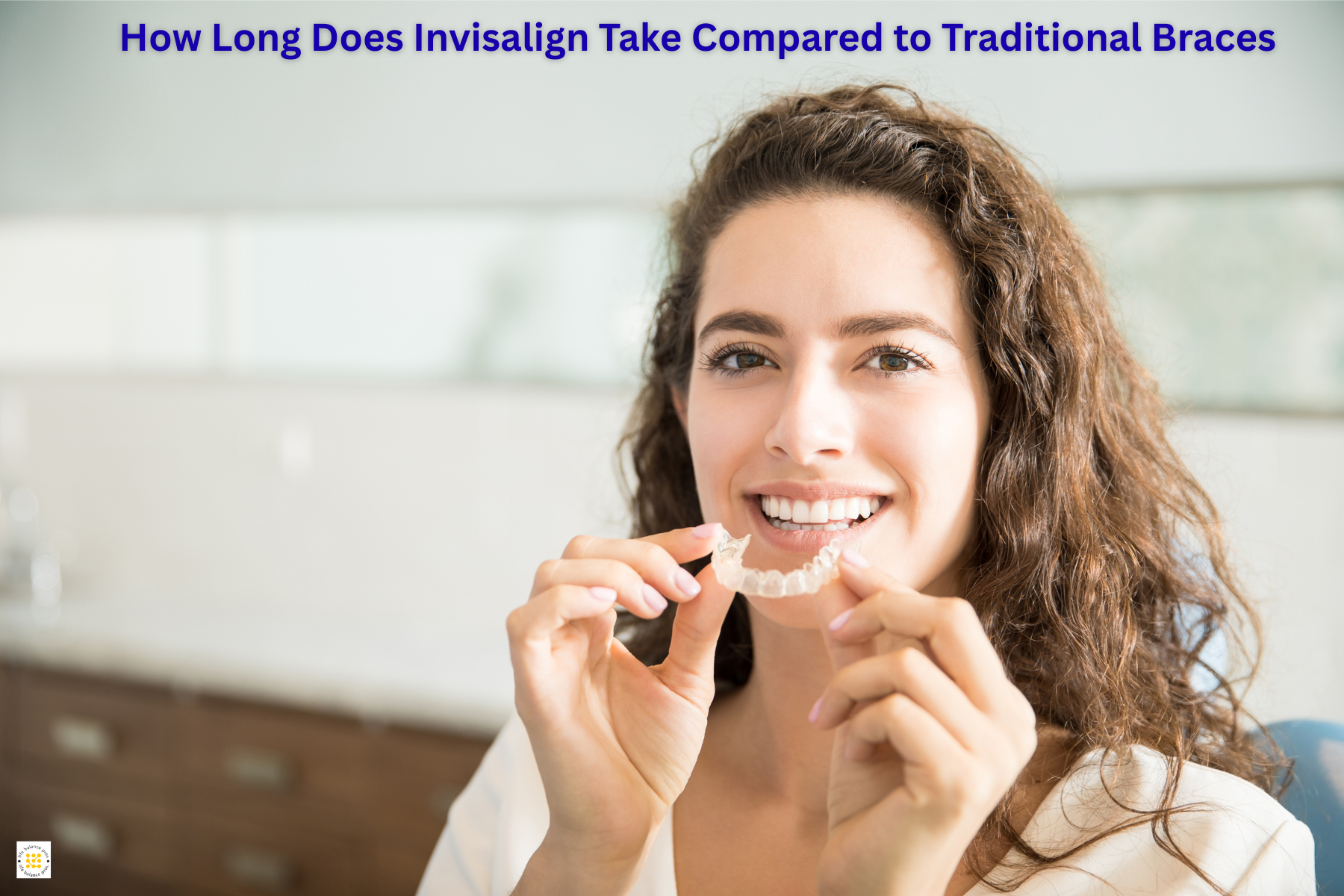
Clear aligner treatment follows a structured path, yet the experience feels flexible. The process begins with a digital scan that maps tooth movement from start to finish. This planning stage is detailed and often predictive, which helps reduce surprises later. The Invisalign website explains that digital treatment planning enables orthodontists to estimate treatment timelines more accurately based on individual tooth movement patterns.
Aligners are worn daily and switched on a set schedule. Most plans involve changing trays every one or two weeks. Each new tray moves teeth slightly further along the plan. Progress depends heavily on wear time. Aligners left out slow everything down.
Midway through treatment, progress checks ensure teeth are tracking as expected. If movement stays on course, the timeline holds steady. If not, refinements adjust the plan. These changes are common and help improve the final result rather than rushing it.
Several elements influence how quickly aligner treatment moves:
- Wearing aligners for the recommended daily hours
- Removing trays only when necessary
- Keeping regular check-ins
- Addressing issues early rather than waiting
Patients often report that time feels faster because aligners blend into daily life. Eating, speaking, and social routines stay mostly unchanged. That sense of normalcy helps the months pass with less focus on the clock.
Why Traditional Orthodontic Braces Often Take Longer
Fixed orthodontic systems rely on constant pressure applied through wires and brackets. Adjustments happen at scheduled visits, often weeks apart. Movement continues between visits, yet progress depends on how each tightening affects the teeth.
One reason treatment can take longer is limited flexibility. Changes happen in stages rather than continuously. Complex movements may require multiple adjustments before progress becomes visible. Repairs can also add time if brackets break or wires shift. Guidance published by the American Association of Orthodontists explains that fixed systems are often chosen for complex bite and alignment issues that naturally require more extended correction periods.
Traditional Braces also affect daily habits. Eating restrictions and cleaning routines feel demanding. Discomfort after adjustments can linger, making time feel heavier. When daily reminders of treatment are constant, patience wears thin.
Factors that influence the timeline include:
- Frequency of adjustment visits
- Tooth movement response to pressure
- Breakage or missed appointments
- Overall bite correction needs
While reliable and practical, this approach often feels slower because it is more noticeable. Visibility and discomfort shape perception. Even if the total number of months matches other options, the experience can feel longer due to daily awareness.
What Makes One Option Feel Faster Than the Other
Speed is not only measured in months. It is felt through comfort, routine, and control. When treatment fits easily into daily life, time passes with less friction. Clear aligners offer that sense of control. They are removable, discreet, and predictable.
Fixed systems remove choice. They work at all times, yet that constant presence keeps attention on the process. Meals, cleaning, and social moments all carry reminders. As a result, time feels stretched.
Several elements shape perceived speed:
- Visibility during social interactions
- Comfort during daily tasks
- Ability to maintain regular routines
- Sense of progress between check-ins
Psychology matters. When treatment fades into the background, patience increases. When it demands constant attention, every week feels longer. Understanding this difference helps set realistic expectations before choosing a path.
Which Treatment Timeline Fits Your Lifestyle Best
Choosing a timeline means selecting an experience. Some people prefer a set structure with fewer daily decisions. Others value flexibility and subtlety. There is no universal answer, only alignment with personal habits.
Active lifestyles often pair well with removable options. Busy schedules benefit from fewer disruptions. Those who prefer a fixed system may value simplicity and predictability over discretion.
Questions worth asking include:
- How consistent are daily routines
- How important is visibility during treatment
- How much control feels comfortable
- How patient is the individual with gradual change
The right choice balances speed with comfort. When lifestyle and treatment style align, results feel smoother and more satisfying.
A Thoughtful Path Forward for Lasting Results
Time matters because life keeps moving. Straightening teeth should support confidence, not add stress. Understanding timelines removes fear and replaces it with clarity. Both approaches work. The difference lies in how they fit into daily life.
At this stage, clarity becomes power. With the correct information, decisions feel grounded rather than rushed. Each option has strengths. Each requires patience. The best outcomes come from matching expectations with reality.
If guidance feels helpful so far, that is the next step. Conversations with experienced professionals bring personal context into focus. Questions get answered. Plans become real.
Confident decisions begin with honest information. When timing, lifestyle, and goals align, results follow naturally. Take the next step with clarity, ask thoughtful questions, and choose the path that feels right for your life.